Bridging the Gap: The LeadSwell Brand to Demand Advertising Solution
May 22, 2026
Matt Payne and Rosey Sutton
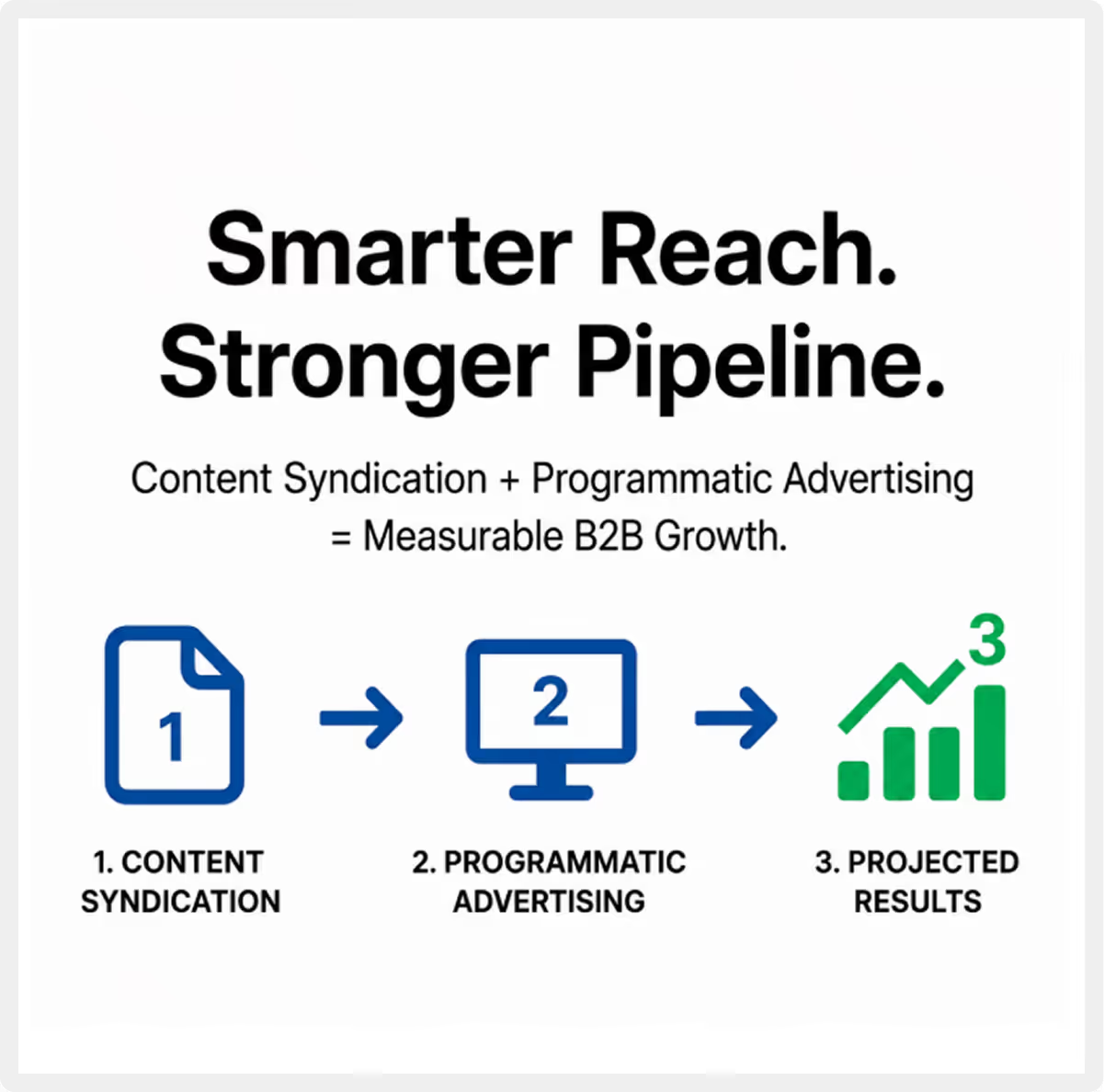
Most B2B strategies force a choice between brand visibility and lead volume. LeadSwell seamlessly combines brand awareness and lead generation into a single high-performance strategy designed to connect you with high-intent buyers, boost engagement, and accelerate pipeline conversions.
160M+
B2B Professionals
55M+
Key decision-makers
6M+
Targetable Companies
Omnichannel Presence:
Your prospects aren't just on LinkedIn. We deliver your message across the top digital channels where high-intent buyers spend their time.
Programmatic Advertising
Surround entire buying groups across priority ICP accounts, strengthening brand presence and creating consistent engagement across the channels your buyers trust.

Captivate visual attention with high-impact creative across premium publishers.
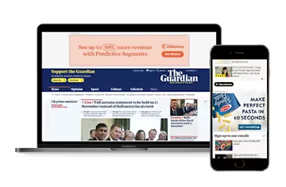

Ideal for building brand recognition and keeping your solution visible during the awareness phase.


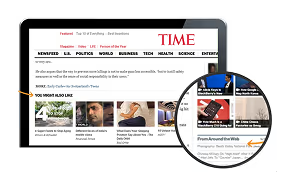
Integrate seamlessly into professional content environments. Native placements blend with editorial surroundings.

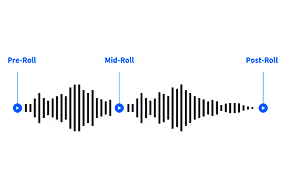
Reach decision-makers during their commute, workout,or deep-work sessions.

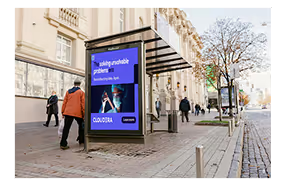
High-impact, non-skippable ads reach audiences in the physical world.

CTV combines the credibility of broadcast-quality production with the precise audience targeting of digital advertising.

Content Syndication
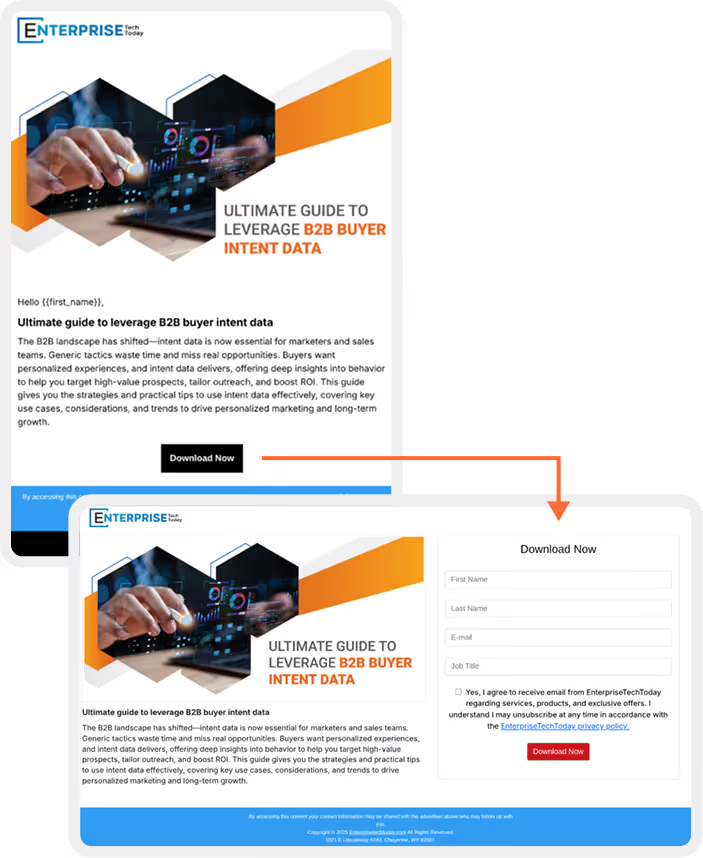
Engages entire buying groups, strengthens brand presence across channels, and turns interest into measurable pipeline.
Email Marketing
Telemarketing
Brand to Demand Flow

01
ICP and ABM lists are defined, as needed we can propose ABM lists.
02
Programmatic Ads (display, video, native, audio, podcasts & CTV) are served to ICP on your ABM lists, engaging for Content Syndication.
03
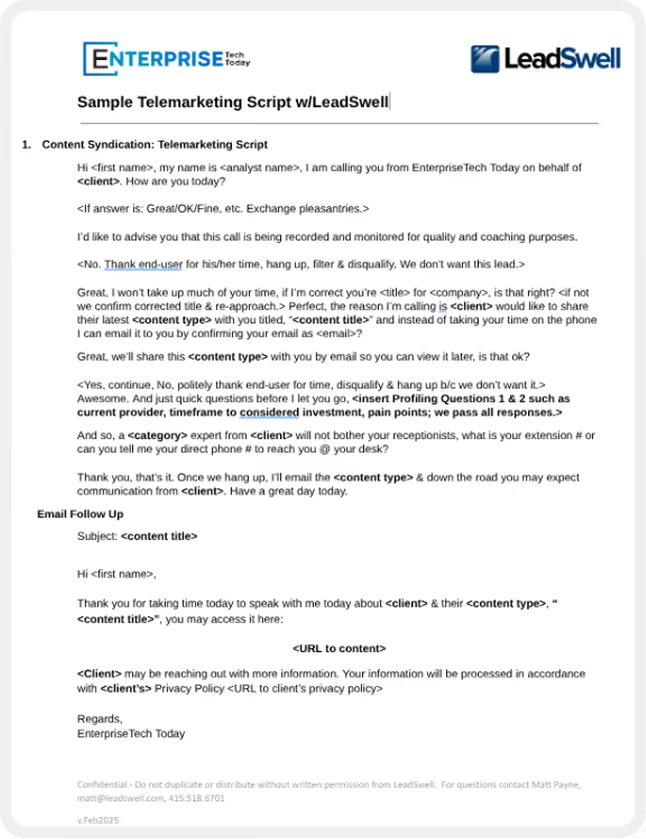
Content Syndication leads are produced in the ICP on the ABM lists through intent scores, telemarketing and email marketing.
04
Programmatic Adsare served to Content Syndication leads produced by LeadSwell, further warming them for sales.
05
Post-campaign reporting shows account impact relative to the ABM list and to leads that we've produced.
Precision ABM Targeting That Delivers Results
Stop wasting budget on broad audiences. Our Brand to Demand framework utilizes precision-targeted ads to engage decision-makers at every stage of the buyer's journey.

Prime Your Audience
We deliver rich content and curated campaigns to build brand recognition and trust with your ABM list before you ask them to act.
Drive Demand
We align relevant sequences and offers with high-intent decision-makers who are actively searching for solutions.

Amplify Your Results
We integrate the power of programmatic ads to your ABM list with targeted ads to your content syndication leads to accelerate your sales cycle.
ABM Targeting
That Works
Target high-value B2B buyers & decision-makers
Maximize ROI with precision-targeted ads
Engage prospects at every stage of the buyer’s journey
Deliver your message across top digital channels
Why Choose LeadSwell for Your Demand Generation?

Higher-Quality Leads
We don't just find names; we connect you with decision-makers actively searching for solutionslike yours.

Maximized ROI
Precision targeting minimizes ad waste, ensuring every dollar spent is focused on high-intent prospects.

Scalable Growth
Our strategy evolves with your business, using ABM lists and real-time intent data to maximize efficiency as you grow.